


 Highway maintenance

 Retailer

 Police

 Fire Department

 Industry

 Communes
Nasza produkcja
Everything under one roof!
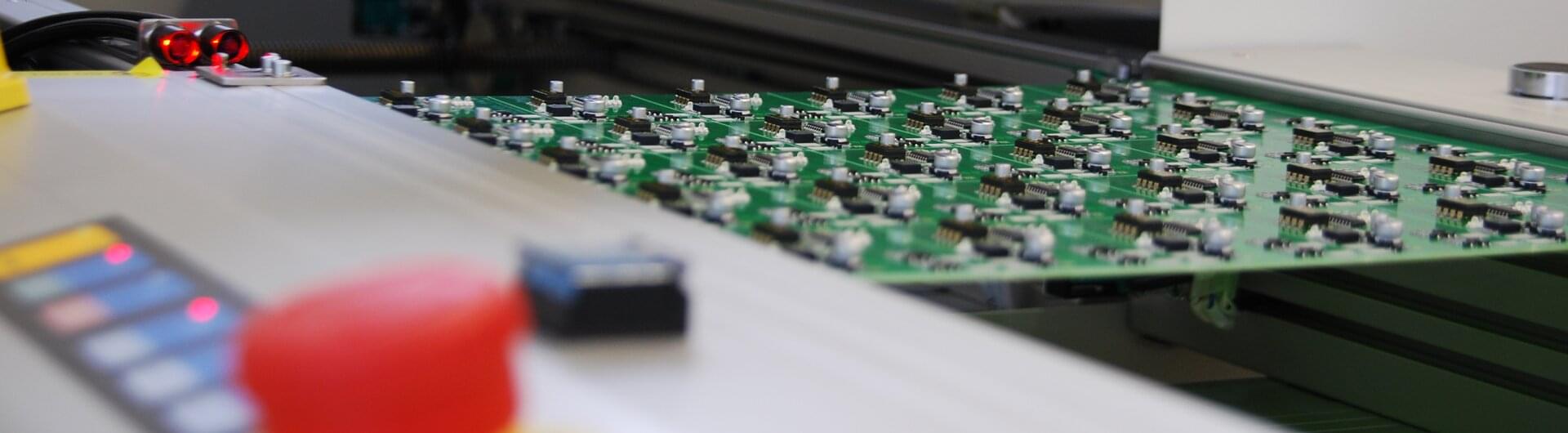
Horizont is distinguished by the fact that virtually all stages of production take place under our own roof: Product design, development, assembly, and final processing of printed circuit boards, production of injection molding tools, injection molding, printing, final assembly, and quality control—all of this takes place in our own production facility, and we keep a close eye on every step of the process. This level of integration is unmatched at horizont.
Overview:
Tool manufacturing
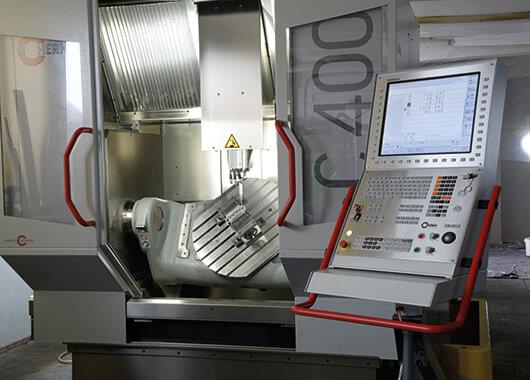
To ensure that our injection-molded plastic parts meet our quality standards, we manufacture the molds in-house at our tooling facility. Our skilled and motivated designers work with state-of-the-art CAD systems.
Precision tools are developed through ongoing collaboration between the design department, the tool shop, and production. This expertise benefits not only our own products—we also undertake the development and production of all types of tools for other companies.
Plastic injection molding
Printed Circuit Board Assembly
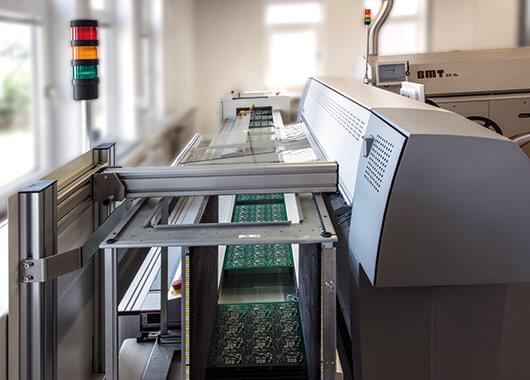
We manufacture printed circuit boards using fully automated SMT technology ("SMT" = Surface Mount Technology) as well as through manual assembly. In SMT assembly, solder paste is applied to the printed circuit board using a stencil. The machine then automatically places the individual components onto the board, which are finally soldered in an oven at temperatures ranging from 135 to 250 degrees.
Components that—for example, due to their size—cannot be assembled automatically are placed manually on the printed circuit board and then soldered in a solder bath at a temperature of 250 degrees. All assemblies undergo optical and electrical testing. In doing so, we rely on the qualifications and many years of experience of our employees, as well as our state-of-the-art machinery.
Protective coating for electronics
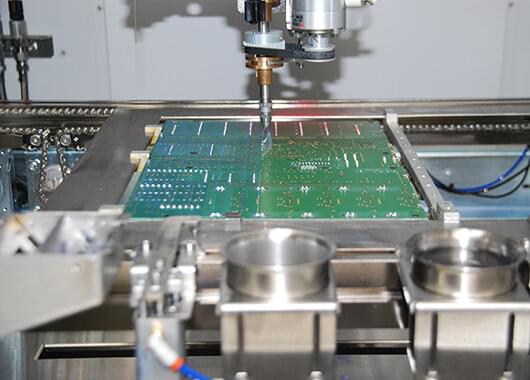
Fragile and stress-sensitive electronic assemblies are protected against interference and malfunctions in adverse environmental conditions by means of a protective varnish. Applied to one or both sides of printed circuit boards, the protective varnish ensures insulation between different potentials and protects against environmental influences such as moisture and contamination.
The protective coating is applied fully automatically. The spray head is designed to selectively coat specific areas of the printed circuit board, avoiding critical components such as switches and contact surfaces. The coated components are then dried in a state-of-the-art infrared drying system.
Final assembly

|
The final assembly of lighting fixtures is done by hand at our facility. In addition to manual assembly at individual workstations, we also use flexible assembly systems to assemble products and components. Certain stages of the process are already automated.
|
Printing technology
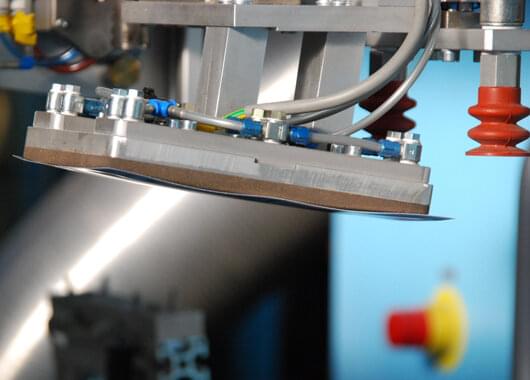
We offer a wide range of printing techniques, from screen printing and pad printing to mold-based processes and direct UV printing. This means we’re highly flexible when it comes to bringing design ideas to life and can choose the perfect process for every job.
We installed a label printer at the Lebenshilfe Korbach workshop to enable people with disabilities to participate in the workforce.
Quality control
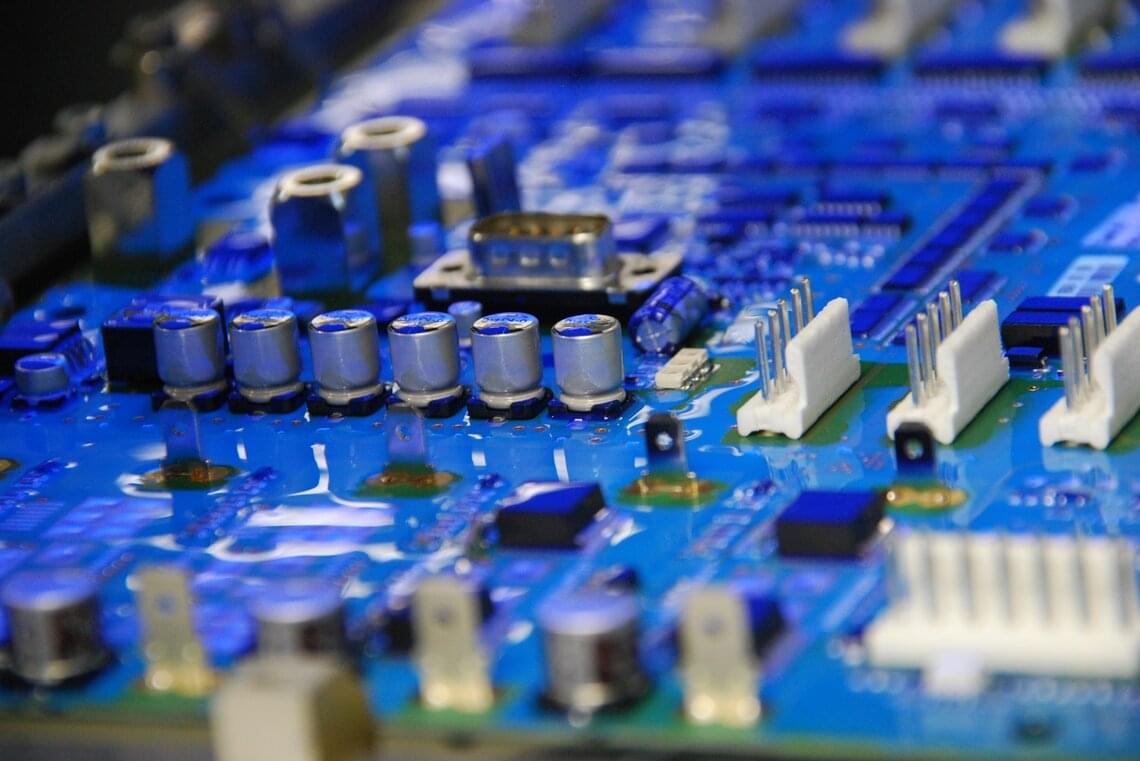
Our multi-stage quality management system ensures that any defects are identified at an early stage during each phase of production. Before a product leaves our factory, it is tested by our experienced team of employees for specific electrical and mechanical parameters. Only after passing the final inspection and electrical endurance test does the product reach the customer.